
Money Risk
Scammers often invent fees, gift card requests, refund stories, or fake emergencies. The goal is to get cash before trust can be verified.

Safety matters more than attention. A fake sugar daddy can cost you money, privacy, confidence, and peace of mind. This guide explains how to identify warning signs early, use safer platform habits, and protect yourself before any conversation becomes personal.
India’s online romance fraud problem is no longer a small side issue. McAfee’s 2024 Modern Love research reported that 39% of Indians said a potential love interest online turned out to be a scammer, and 77% said they had seen fake or AI-generated profiles. That matters because a fake sugar daddy is often the highest-risk person in this space: someone who uses luxury claims, emotional pressure, and urgency to extract money, private data, or intimate photos.
This article has one goal: teach you how to recognize a fake sugar daddy, avoid common traps, and protect yourself without panic. If you remember only one lesson, let it be this: safety matters more than finding a sugar daddy quickly. The right person can wait. A scammer depends on speed.
Scammers often invent fees, gift card requests, refund stories, or fake emergencies. The goal is to get cash before trust can be verified.
Some fake profiles push for photos, personal details, workplace names, or banking information long before any real trust exists.
Fast compliments and promises can feel flattering, but they are often tools for control. A scammer wants access, not a genuine meeting.
A fake sugar daddy is not a serious adult who wants a real-life connection built through normal conversation and basic verification. He is usually performing a role. The purpose may be money theft, information theft, photo collection, emotional manipulation, or blackmail. The profile can look polished, but the behavior rarely holds up under simple checks.
The core idea is simple: a fake sugar daddy wants to use you, not meet you. The profile exists to create pressure, not trust. Once you understand that difference, many red flags become easier to spot.
He promises support, then asks for a transfer fee, wallet activation, tax payment, recharge, or gift card first.
He acts deeply attached in just a few chats, then uses guilt, urgency, or sympathy to lower your guard.
He pushes for private photos or recordings, then threatens exposure if you do not comply with later demands.
He hides behind luxury cars, hotel shots, business claims, and dramatic stories that sound impressive but never verify cleanly.
India is a major target because digital conversations move fast, many people use several messaging apps at once, and fraud operators know how to imitate confidence. AI tools make it easier to create polished images, fake voice notes, and highly convincing bios. A scammer does not need to be believable forever; he only needs to look believable long enough to collect money or sensitive details.
Fake photos, copied bios, and scripted replies now look smoother than before. That is why visual polish alone means very little in 2026.
Scammers know that financial stress can make big promises feel tempting. They use this pressure to rush decisions and reduce caution.
Loneliness, curiosity, or the hope for a better match can make fast affection feel comforting. Fraudsters study exactly that reaction.
Urban scam stories often involve fake business travel, premium hotel claims, and urgent money requests that fall apart when simple details are checked.
Moving too quickly to WhatsApp or Telegram removes platform moderation. That gives a scammer more room to pressure, delete, or deny.
If you almost believed one, that does not mean you were careless. It usually means the fraud was designed professionally.
This is the most important part of the guide. Treat the list below as a checklist, not a single-rule test. One strange detail may not prove fraud. Several together usually do. In general, the more “perfect” someone appears, the more carefully you should verify him.
Luxury cars, jets, expensive watches, and flawless photos can be copied easily. If every image feels like an ad, slow down and verify harder.
A real user may delay briefly, but he will not avoid basic verification forever. Endless excuses are a serious warning sign.
If he sounds deeply attached after a few chats, he is often trying to create control before trust exists.
Any request for recharge fees, transfer costs, gift cards, handling charges, or “proof of loyalty” is one of the clearest scam signals.
Scammers hurry you toward outside apps because moderation, reporting, and message records are stronger on the platform.
Thin bios, inconsistent city details, weak grammar mixed with luxury claims, or a profile that says a lot but proves nothing should raise concern.
Huge weekly support claims, dramatic travel stories, and instant certainty are often bait. Unrealistic promises are not generosity; they are leverage.
Ask about city routine, schedule, or how long he has used the site. If answers stay vague, repetitive, or overly polished, be cautious.
A real person follows through. A fake one keeps the conversation moving while avoiding every simple proof point.

Start with profiles that show stronger verification signals. Review photos, activity, and profile completeness before replying in depth.
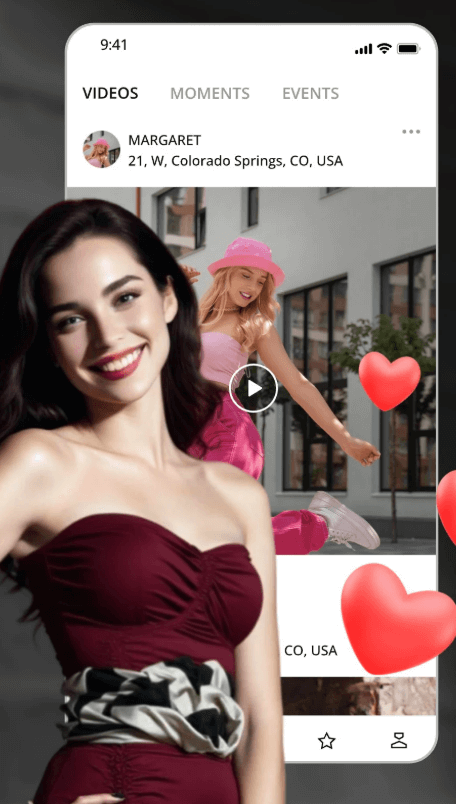
Does the city match the lifestyle claims? Does the work story sound steady? Do the photos, tone, and details fit together naturally?
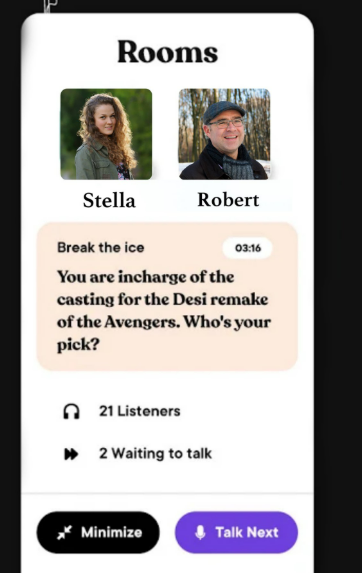
Do not rush to WhatsApp or Telegram. Staying on-platform gives you message history, moderation, block tools, and a safer first layer.

Good examples include: “What kind of connection are you hoping to build?” and “How long have you been using this platform?” Real users usually answer directly.

Filter by age, profile activity, location, and overall completeness. Better filtering reduces noise and improves the quality of people you review.
A scammer wants speed. A genuine person can handle a calm pace, a few careful questions, and a basic video verification request.
The easiest way to reduce confusion is to compare behavior side by side. Words alone do not matter much. What matters is pace, verification, respect, and consistency.
| Area | Real Behavior | Fake Behavior |
|---|---|---|
| Pace | Calm, patient, and willing to let trust build naturally | Rushed, urgent, and always pushing for the next step |
| Verification | Comfortable with a video call or simple identity check | Avoids verification and creates endless excuses |
| Money | Does not ask you for any payment first | Requests fees, gift cards, or transfer costs before anything else |
| Boundaries | Respects your pace, privacy, and questions | Pushes, guilt-trips, flatters, or pressures |
| Profile Quality | Details are steady across photos, city, and routine | Details conflict, feel copied, or sound unrealistically polished |
| Follow-Through | Actions match words over time | Big promises, weak proof, and repeated delays |
A well-built platform is your first layer of protection. Good safety design does not replace your judgment, but it gives you better tools before a scam grows. The strongest systems usually include profile checks, secure messaging, moderation review, and fast reporting options.
Verified photos and identity review reduce the chance of copied images and throwaway profiles.
Built-in chat protects message history and gives you more control before sharing outside contact details.
Quick reporting helps moderation teams remove bad actors faster and keeps the platform cleaner for others.
Safer messaging tools reduce pressure to move instantly to riskier external apps.
Low-quality profiles, copied bios, and obvious fraud patterns can be removed before they spread.
Rules make it easier to spot behavior that does not belong. Good moderation is not a luxury; it is a safety feature.
One more warning: do not trust people who later claim they can “recover” lost money for a fee. Recovery scams often target people right after the first scam. If money was lost, work through official banking, payment, and cybercrime channels instead.
A kind tone is not proof. Real trust grows from steady behavior and verification, not quick charm.
Oversized support claims are often bait. Fraud often feeds on greed and urgency at the same time.
Many people ignore the simplest check: a short video call. That one step filters out many fake profiles.
Once you move outside the platform, protection becomes weaker. Stay where moderation tools exist for as long as possible.
Details about your address, salary, family, or daily routine can be misused later even if the first conversation seems polite.
Small contradictions in city, age, work, or schedule often reveal more than big statements do.
No. Asking you to pay first is one of the clearest scam signals.
Because the identity is often fake, stolen, or heavily edited. Video exposes that quickly.
Not usually. Early chats are safer on-platform because moderation, reporting, and message records are easier to keep.
Not by appearance alone. Luxury photos are easy to copy. Behavior and verification matter more.
Use profile checks, compare details for consistency, and ask for a short video call before sharing anything personal.
Stop the chat, block the account, and report it immediately. Gift card requests are a major red flag.
Yes. AI makes fake images and polished bios easier to create, which is why verification matters more than ever.
No. Keep identifying details private until trust and verification are both established.
Yes. Anyone who lies heavily online can also become risky offline, which is why public meeting plans matter.
Fake sugar daddy profiles are common, polished, and often very convincing. That is why recognition matters more than speed. If someone looks too perfect, avoids verification, pushes for money, or tries to rush you off-platform, pause and protect yourself. The goal is not to become suspicious of everyone. The goal is to become harder to fool.
Use the right platform, stay patient, verify calmly, and let actions matter more than promises. If you start from safety, you give yourself a better chance of meeting respectful people and avoiding the ones who only want access. Join a trusted platform and start safe sugar daddy chat today.
Use verified profiles, stay on-platform, and trust consistent behavior over big promises. Begin with safer conversations today.
Join Sugar Daddy Chat Free